The Right Mechanic Courses for a 16-Year-Old
Are you 16 and interested in cars, engines, diagnostics, or becoming a mechanic? Or are you a parent trying to help a young person choose the right first step into the motor trade?
Choosing the right mechanic course at 16 can make a big difference. The right course can help you build confidence, learn practical skills, understand how vehicles work, and decide whether a career in the automotive industry is really for you.
Modern mechanics do much more than change parts. Today’s garages use diagnostic tools, scan data, fault codes, electrical testing, service information, and structured fault-finding. That means young mechanics need both practical skills and good problem-solving habits from the beginning.
Can You Start Mechanic Training at 16?
Yes, in Ireland, 16-year-olds can begin preparing for a career as a mechanic. A formal motor mechanic apprenticeship generally requires you to be at least 16, meet minimum education requirements, and be employed by an approved employer who can register you as an apprentice. SIMI states that apprentices must be at least 16 and have at least five Junior Certificate achievements or equivalent.
A motor mechanics apprenticeship is usually a four-year route and leads to a QQI Level 6 Advanced Certificate Craft in Motor Mechanics.
However, not every 16-year-old is ready to go straight into an apprenticeship. Some young people are better starting with a motor vehicle course, pre-apprenticeship course, work experience, or basic automotive training first.
What Is the Best Mechanic Course for a 16-Year-Old?
The best mechanic course for a 16-year-old is one that gives a strong foundation in how vehicles work.
A good beginner course should cover:
- Basic engine systems
- Brakes and suspension
- Tyres and wheels
- Vehicle servicing
- Workshop safety
- Tools and equipment
- Basic electrical systems
- Fault codes and diagnostics
- Customer and workplace communication
The goal at 16 is not to know everything. The goal is to build confidence, understand the basics, and find out whether garage work is genuinely the right path.
Mechanic Course or Apprenticeship: What Is the Difference?
A mechanic course is usually a learning programme that teaches basic automotive knowledge and practical workshop skills.
A mechanic apprenticeship is different. It is a structured work-based training route where you are employed by an approved garage or employer while completing formal training.
In simple terms:
A mechanic course helps you prepare. An apprenticeship trains you into the trade.
For many 16-year-olds, a course or work experience placement can be the stepping stone before applying for an apprenticeship.
Why Start Mechanic Training at 16?
Starting early can be a real advantage.
At 16, you have time to learn the basics, build confidence, make mistakes in a learning environment, and decide what area of the motor industry interests you most.
You may eventually want to work in:
- A local independent garage
- A main dealership
- Vehicle diagnostics
- Electric or hybrid vehicle repair
- Motorsport
- Commercial vehicles
- Parts and service departments
- Your own garage or mobile mechanic business
The earlier you start learning properly, the easier it becomes to understand the trade as vehicles become more technical.
What Skills Does a Young Mechanic Need?
A good mechanic needs more than an interest in cars.
Useful skills include:
- Patience
- Practical thinking
- Problem-solving
- Listening carefully
- Following instructions
- Working safely
- Reading technical information
- Understanding fault codes
- Knowing when to ask for help
- Checking before replacing parts
That last point matters. A good mechanic does not just guess and fit parts. A good mechanic tests, checks, confirms, and then repairs.
Why Diagnostics Matter for Young Mechanics
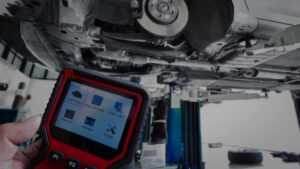
Modern cars are full of sensors, control modules, warning lights, and electronic systems. This means young mechanics need to understand diagnostics from the start.
A diagnostic fault code does not always tell you exactly which part to replace. It gives you a clue. The real skill is knowing what that clue means and what to check next.
For example, an oxygen sensor fault code does not always mean the oxygen sensor is faulty. It could be caused by wiring, air leaks, exhaust leaks, fuel issues, or another related fault.
This is why trainee mechanics need to learn diagnostic thinking early.
How Auto Advisor Can Help Trainee Mechanics
Auto Advisor is not a replacement for a mechanic course, apprenticeship, tutor, or real workshop experience.
Instead, it is a support tool that helps trainee mechanics understand vehicle faults more clearly.
With Auto Advisor, a learner can enter a fault code, warning light, symptom, or vehicle issue and receive a structured explanation of:
- What the issue may mean
- Common possible causes
- What to check first
- What not to assume
- How to approach the diagnosis step by step
- How to explain the problem in plain English
This can be especially useful for young people who are learning the difference between simply reading a code and actually diagnosing a fault.
You can explore the Auto Advisor Trainee Mechanic Tool here:
https://autoadvisor.online/trainee-mechanic-interactive-tool/
What Should Parents Look for in a Mechanic Course?
If you are a parent helping a 16-year-old choose a mechanic course, look for a course that includes practical learning, not just theory.
A good course should offer:
- Hands-on workshop experience
- Clear safety training
- Basic servicing skills
- Introduction to diagnostics
- Supportive instructors
- Realistic progression routes
- Links to apprenticeships or further training
It is also worth asking whether the course helps students prepare for real garage life. Garage work can be rewarding, but it is also practical, physical, and sometimes pressured. A young person should understand what the work is really like before committing fully.
Do You Need Leaving Cert to Become a Mechanic?
Not always.
For apprenticeships in Ireland, Citizens Information explains that applicants generally need to be at least 16 and have a minimum of grade D in five Junior Cycle subjects or equivalent, although requirements can vary and employers may have their own expectations.
Some learners may also enter through approved preparatory training or other accepted routes, depending on their situation.
If you are unsure, it is worth checking with your local ETB, apprenticeship office, or potential employer.
What Questions Should You Ask Before Choosing a Mechanic Course?
Before choosing a course, ask:
- Does the course include hands-on workshop time?
- Will I learn basic servicing and repair skills?
- Will I learn about diagnostics and fault codes?
- Does the course help me progress to an apprenticeship?
- Is the course suitable for beginners?
- What qualification or certificate will I receive?
- Are there age requirements?
- Is work experience included?
- Will the course help me decide if the motor trade is right for me?
A course does not need to be fancy. It needs to be useful, practical, and suitable for your current level.
Is Becoming a Mechanic Still a Good Career?
Yes, for the right person.
The motor trade is changing, but skilled mechanics and diagnostic technicians are still needed. Cars are becoming more advanced, which means the best mechanics will be the ones who keep learning.
A young person entering the trade now should be open to learning about:
- Vehicle electronics
- Diagnostics
- Hybrid and electric vehicles
- Software updates
- Sensors and control modules
- Customer communication
- Safe repair procedures
The future mechanic will still need practical skill, but they will also need technical understanding.
FAQs
What mechanic course should I do at 16?
At 16, a good first step is usually a beginner motor vehicle course, pre-apprenticeship course, or work experience in a garage. If you meet the requirements and find an approved employer, you may also be able to start a motor mechanic apprenticeship.
Can a 16-year-old become a mechanic in Ireland?
Yes. A 16-year-old can begin the path toward becoming a mechanic in Ireland. A formal apprenticeship usually requires the person to be at least 16, meet education requirements, and be employed by an approved employer.
Is a mechanic apprenticeship better than a course?
An apprenticeship is the main route to becoming a qualified mechanic, but a course can be a good first step if you are not ready for an apprenticeship yet. A course can help you build basic skills and confidence before applying to garages.
Do you need to be good at maths to become a mechanic?
You do not need to be brilliant at maths, but basic maths helps. Mechanics use measurements, torque settings, fluid quantities, electrical readings, estimates, and logical problem-solving.
What should a trainee mechanic learn first?
A trainee mechanic should first learn workshop safety, basic tools, servicing, vehicle systems, and how to follow a diagnostic process. Learning how to check a fault properly is just as important as learning how to replace parts.
Can Auto Advisor help someone learning to become a mechanic?
Yes. Auto Advisor can help trainee mechanics understand fault codes, symptoms, possible causes, and diagnostic checks in plain English. It supports learning, but it does not replace formal training or real workshop experience.
Final Thoughts
Choosing the right mechanic course at 16 is about finding the right starting point.
Some young people will be ready for an apprenticeship. Others may need a beginner course, pre-apprenticeship, or work experience first. There is no shame in starting with the basics. In fact, a strong foundation often creates a better mechanic in the long run.
The most important thing is to learn properly, stay curious, and build good diagnostic habits from the beginning.
Modern vehicles need mechanics who can think, test, check, and explain — not just replace parts.
If you are starting your journey into the motor trade, Auto Advisor can help you understand vehicle faults, diagnostic codes, and repair logic more clearly as you learn.
Explore the Auto Advisor Trainee Mechanic Tool below (Make your learning journey easier):
https://autoadvisor.online/trainee-mechanic-interactive-tool/